
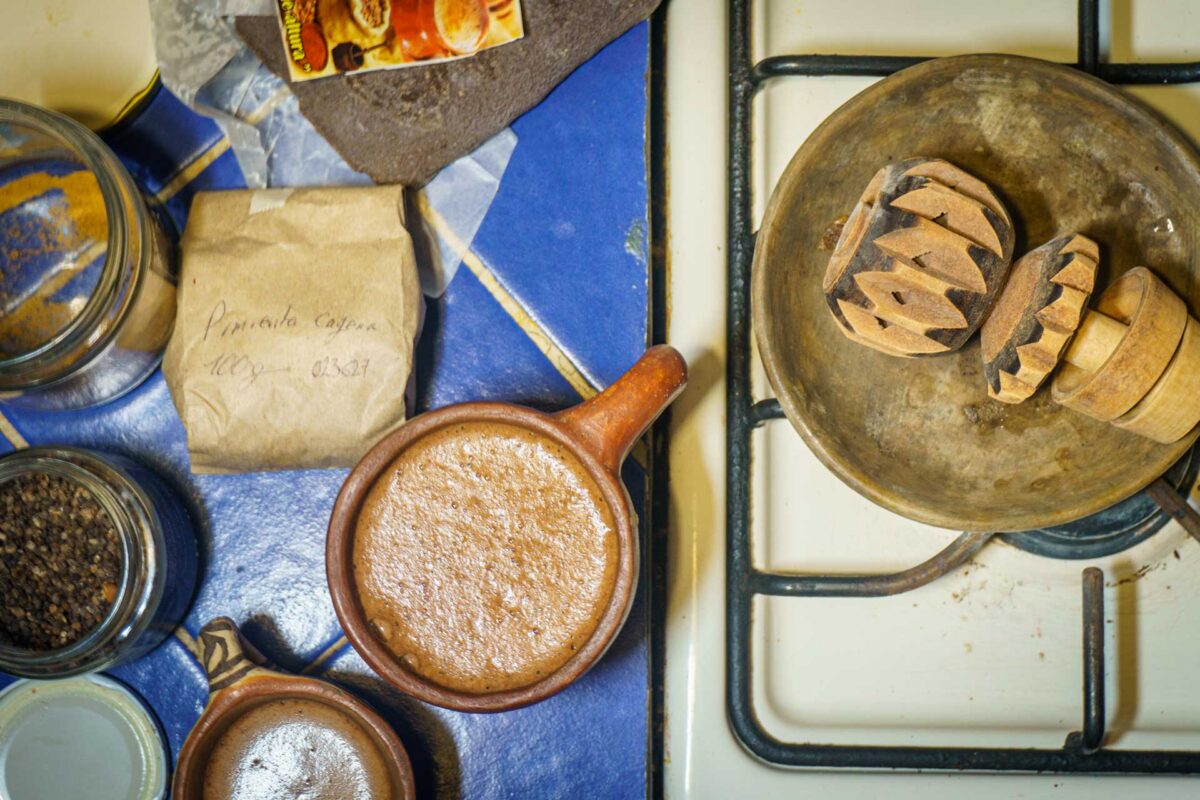
If you drink ceremonial cacao, you already know the shift. The warmth in the chest, the softening, the way your senses get a little sharper before a session or a morning practice. And if you’ve spent time with breathwork, you know what activation feels like from the inside: the rising heat, the tingling, the way presence arrives on its own.
Most people experience these practices separately. Put them together and something different happens.
This post is for two groups: cacao drinkers who want to deepen their practice beyond the ceremony container, and breathwork practitioners who haven’t yet considered what cacao does to the system before the breath begins. Either way, the physiology is worth understanding, because the combination produces effects that neither practice achieves alone, and the mechanism explains exactly why.
The Mechanism Nobody Talks About
Breathwork activates the cardiovascular system from the outside in. Specific breath patterns, particularly the rapid nasal rhythms of Breath of Fire, change the mechanics of circulation: CO2 levels shift, blood chemistry changes, the heart rate responds, blood moves differently through the body.
Theobromine, the primary alkaloid in ceremonial cacao, activates the cardiovascular system from the inside out. It relaxes smooth muscle tissue in the blood vessel walls, widening the vessels and increasing blood flow throughout the body. Research published in Circulation analyzing data from 42,038 participants found that consistent theobromine consumption correlated with improved lipid profiles and reduced blood pressure. A review in Current Opinion in Lipidology noted beneficial cardiometabolic effects including improvements in flow-mediated dilation, the measure of how well blood vessels open under demand.
Two inputs. The same system. Working in parallel.
Drink cacao 20 to 30 minutes before breathwork and theobromine has already begun widening the vascular pathways the breathwork then activates. Blood moves with less resistance. Oxygen delivery improves. The cardiovascular response to breath patterns is amplified because the vessel walls are already relaxed and ready.
That’s the core mechanism. The mood molecules, the minerals, and the nervous system effects all layer on top of it.
What Ceremonial Cacao Contains
Processed chocolate and ceremonial cacao are different things. Ceremonial-grade cacao is minimally processed and ground from whole cacao beans, which preserves the full spectrum of bioactive compounds. By the time cacao becomes a commercial chocolate bar, most of what matters has been reduced or destroyed.
These are the compounds worth knowing.
Theobromine is the primary alkaloid, at roughly 1.5 to 3% of the cacao bean by weight. Unlike caffeine, which hits the central nervous system hard and fast, theobromine works on the periphery: smooth muscles, blood vessels, bronchial tubes. The stimulation it produces is longer-lasting, gentler, and doesn’t trigger the cortisol spike that caffeine can. For a breathwork practitioner, this distinction matters. You get increased alertness and cardiovascular opening without the jitteriness that can interfere with a settled practice.
Anandamide, often called the bliss molecule, is one of two endocannabinoids the body produces naturally. Research published in Nature by Di Tomaso, Beltramo, and Piomelli identified cacao as a source of anandamide and, more interestingly, of fatty acid compounds (N-linoleoylethanolamide and N-oleoylethanolamide) that inhibit the enzyme responsible for breaking anandamide down. Cacao supplies anandamide and extends its presence in the system. The bliss molecule stays in circulation longer after a cup of ceremonial cacao than it otherwise would.
Anandamide binds to the same CB1 receptors as cannabis, but with a subtler and shorter-lived effect. In the context of breathwork, this matters: a system with elevated anandamide is more receptive, less defended, and more capable of the kind of open presence that makes the surrender phases of practice transformative rather than overwhelming.
Phenylethylamine (PEA) is a neuromodulator that triggers the release of dopamine and norepinephrine. A landmark study published in the Journal of Neuropsychiatry and Clinical Neurosciences found that PEA supplementation relieved depression in 60% of participants, including those who hadn’t responded to standard antidepressants. PEA is the same compound associated with the runner’s high and with the particular quality of focus and motivation that follows intense physical effort. It sharpens your ability to stay present inside activation, the core skill the Ignite phase trains.
Magnesium is where the nervous system regulation story lives. Ceremonial cacao is one of the richest plant-based sources of magnesium, and magnesium is essential for nervous system function. It regulates NMDA receptors (which govern neuronal excitability), supports GABA production (the primary inhibitory neurotransmitter), and moderates the stress response at the level of the HPA axis. A systematic review in Nutrients found that magnesium supplementation produced beneficial effects on subjective anxiety across multiple trials. A separate study in PMC showed that magnesium deficiency directly dysregulates the HPA axis and increases anxiety. Magnesium replenishment is a nervous system intervention as much as a nutritional one.
For breathwork practitioners: magnesium relaxes muscles before you sit down to practice and reduces the neuronal hyperexcitability that can make it hard to settle into the early stages of a session.
Tryptophan and serotonin precursors. Cacao contains tryptophan, the amino acid that converts into 5-HTP and then into serotonin. Paired with cacao’s B vitamins, this provides the raw materials for the neurotransmitter most associated with sustained wellbeing and emotional stability. This is a foundation, not a momentary spike.
Flavanols are the antioxidant polyphenols that protect neurons, improve blood flow to the brain, and reduce oxidative stress. Research from the British Journal of Clinical Pharmacology found that cocoa flavanols have neuroprotective effects and improve cognitive performance. They also activate nitric oxide signaling, which further supports vascular flexibility, the same benefit theobromine provides, through a different pathway.
How This Maps to the RISE Method
The RISE Method is a 22-day breathwork program built around four phases: Root, Ignite, Surrender, Emerge. Each phase has a specific job in the nervous system training arc. Cacao amplifies a different aspect of each one.
Root: Stability
The Root phase builds the nervous system foundation before anything more demanding is asked of the body. Magnesium supports this directly: it relaxes the musculature, reduces neuronal hyperexcitability, and helps the body shift out of low-grade sympathetic activation before the practice begins. Drinking cacao 20 to 30 minutes before a Root session gives the magnesium time to begin its work , so you arrive at the mat in a more open state rather than spending the first ten minutes settling.
Ignite: Fire
This is where the combination produces its most striking effect.
The Ignite phase uses Breath of Fire and rhythmic breath patterns to deliberately activate the cardiovascular and sympathetic nervous systems. The goal is training the body to stay regulated inside activation , remaining present in the fire rather than escaping it.
Theobromine widens the cardiovascular channels that Breath of Fire then drives harder. The result is a cardiovascular response that is more complete, more whole-body, and easier to sustain. The PEA from cacao simultaneously sharpens focus and supports the dopaminergic reward of staying present through intensity. Anandamide reduces the defensive quality that often makes people back off the Ignite phase before it delivers its full effect.
Breath of Fire in this context is more than a breath technique. You’re doing it in a body whose chemistry has been prepared to receive it.
Surrender: The Void
The Surrender phase asks the practitioner to release control , settling into stillness inside a breath hold and letting the body go where it goes. This is the phase that separates a breathwork session from a breathwork practice. And it’s the phase where anandamide’s function becomes most relevant.
A system with elevated anandamide is less defended. The CB1 receptors anandamide binds to are densely clustered in the brain regions governing fear, emotional memory, and the sense of self. Elevated anandamide doesn’t eliminate awareness. It softens the edges of the defended self enough that the surrender phase can reach something real. Combined with the parasympathetic activation that a good Ignite phase produces (through CO2 tolerance training and post-activation recovery), the body arrives at the hold prepared rather than braced.
Slow breathing and extended exhales during Surrender also have a measurable effect on heart rate variability. A meta-analysis in Neuroscience and Biobehavioral Reviews found that voluntary slow breathing consistently increased HRV, the standard measure of nervous system flexibility and vagal tone. Cacao’s theobromine and flavanols support vascular flexibility through their own mechanisms, so the two inputs are again working on the same underlying physiology from different angles.
Emerge: Integration
The Emerge phase is where the nervous system stabilizes in its new range. Tryptophan’s conversion to serotonin supports this stabilization: where anandamide and PEA produce the quality of the experience inside the session, serotonin sustains the emotional groundedness that carries into the hours afterward. This is the difference between a peak state and an integrated shift.
How to Combine Them Practically
Timing. Drink your cacao 20 to 30 minutes before your breathwork session. This gives theobromine time to reach peak plasma concentration and allows the magnesium to begin its muscle-relaxing work. Cacao drunk immediately before practice hasn’t had time to do its preparation; cacao drunk an hour before has already begun to wane.
Dose. Standard ceremonial cacao dose for ceremony is 40 to 50g of pure cacao. For a breathwork preparation, 25 to 35g produces the cardiovascular and mood effects without the intensity of a full ceremonial dose, which can occasionally produce nausea during the physical demands of Breath of Fire. Start with 25g and adjust based on your body’s response.
Temperature. Drink it warm but not scalding. The warmth itself activates the parasympathetic nervous system through sensory engagement . The ritual of preparation is part of the physiological effect, not separate from it.
Quality. The compounds described in this post exist in ceremonial-grade, minimally processed cacao. Commercial cocoa powder and processed chocolate bars have lost most of them. Source from producers who specify origin, processing method, and cacao percentage.
Movement. If your practice includes a grounding movement sequence before the breathwork begins (as the Root phase of RISE does), drink the cacao before the movement, not after. You want the preparation window to overlap with the grounding, so the practice itself begins in a body that’s been physiologically prepared.
Who This Is For
If you already drink ceremonial cacao and your practice has plateaued, if ceremony feels meaningful but hasn’t produced the deeper nervous system shift you’re looking for, structured breathwork gives the preparation something to activate. Cacao opens the door. Breathwork walks through it.
If you already practice breathwork and haven’t tried cacao, the case is simpler: the biochemical preparation it provides is measurable, the mechanisms are documented, and the only way to know what it does to your particular practice is to try it under controlled conditions.
Ready to Go Deeper?
If you want to understand the full nervous system framework that the RISE Method is built on, why cardiovascular training through breath produces lasting nervous system change, and what that change makes possible in your life. The free masterclass covers the complete picture in one session.
Watch the Free Nervous System Masterclass →
The RISE 22-Day Program gives you the full practice: four phases, structured progression, and the sonic architecture designed to support each stage of the arc. If you’re ready to combine what cacao opens with what breathwork builds, this is where to start.
A note on practice. The breathing techniques and physiological information in this article are educational and not a substitute for medical advice. Breathwork includes intense breathing patterns and breath holds that are not appropriate for everyone. If you are pregnant or have a cardiovascular, respiratory, or psychiatric condition, consult a qualified healthcare provider before practicing. Read our full Medical Disclaimer.